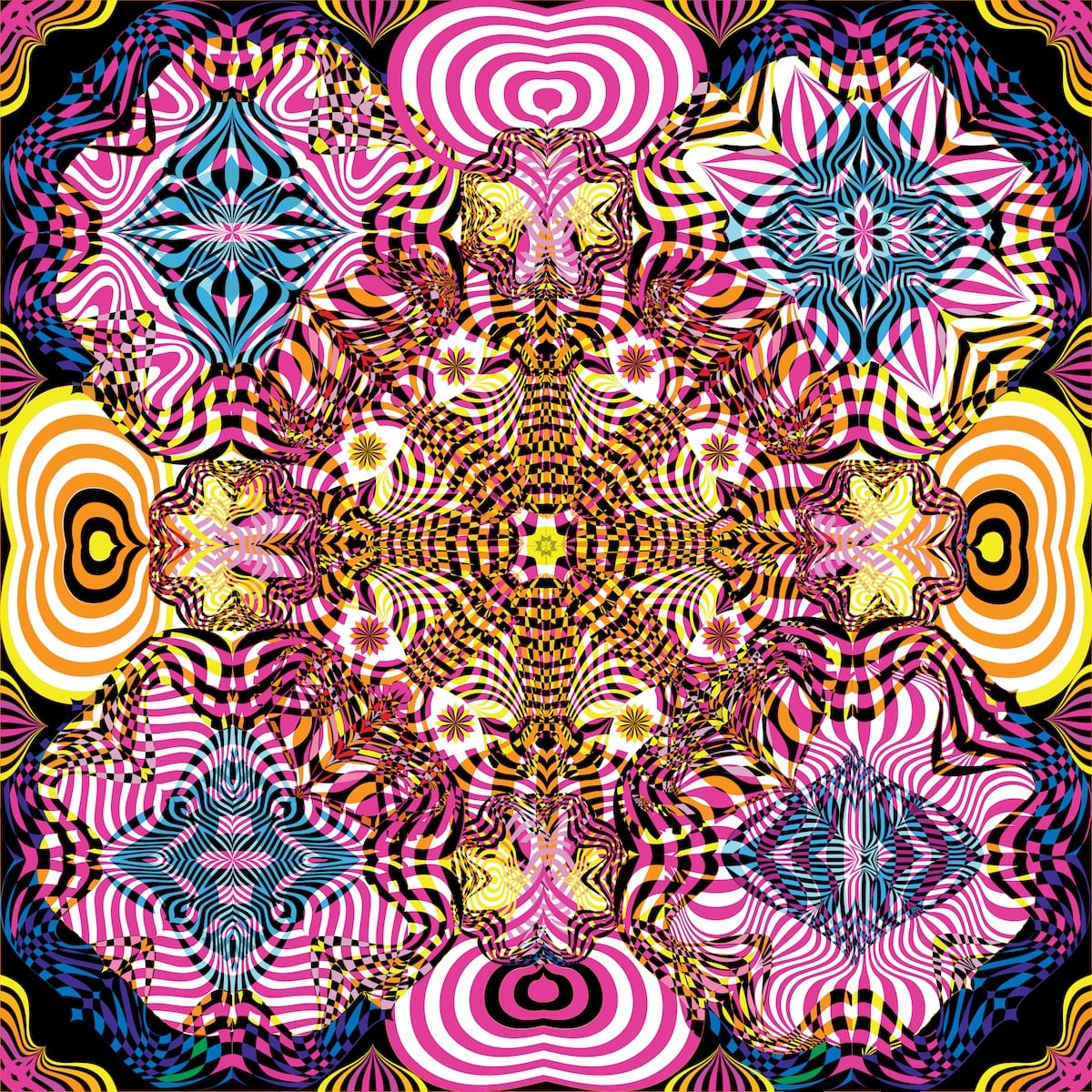
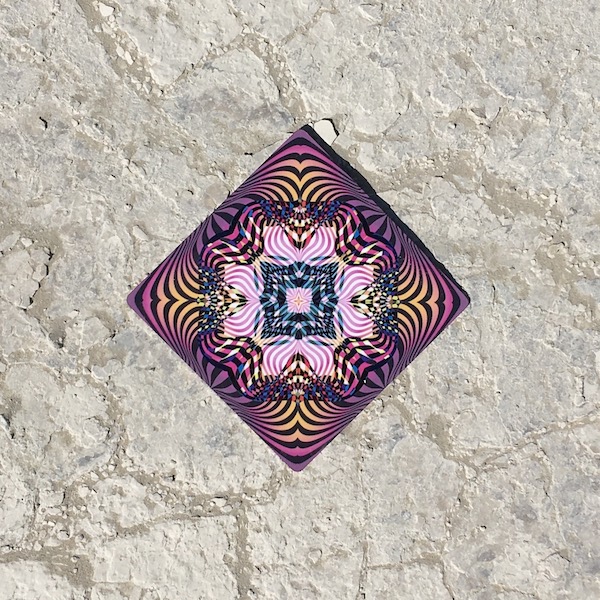
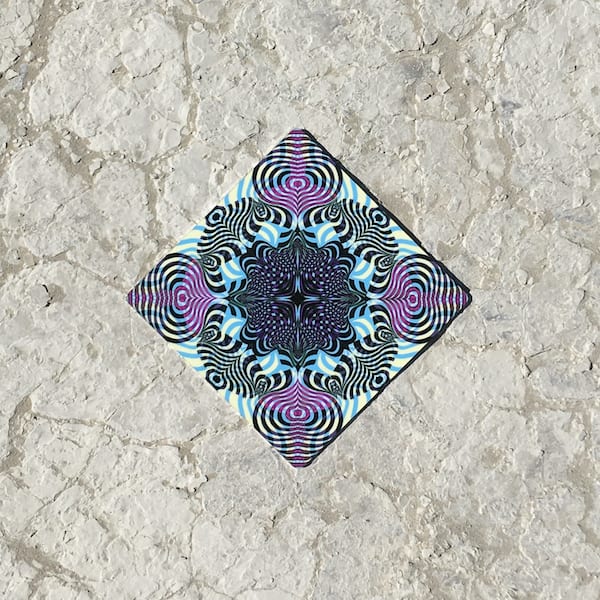
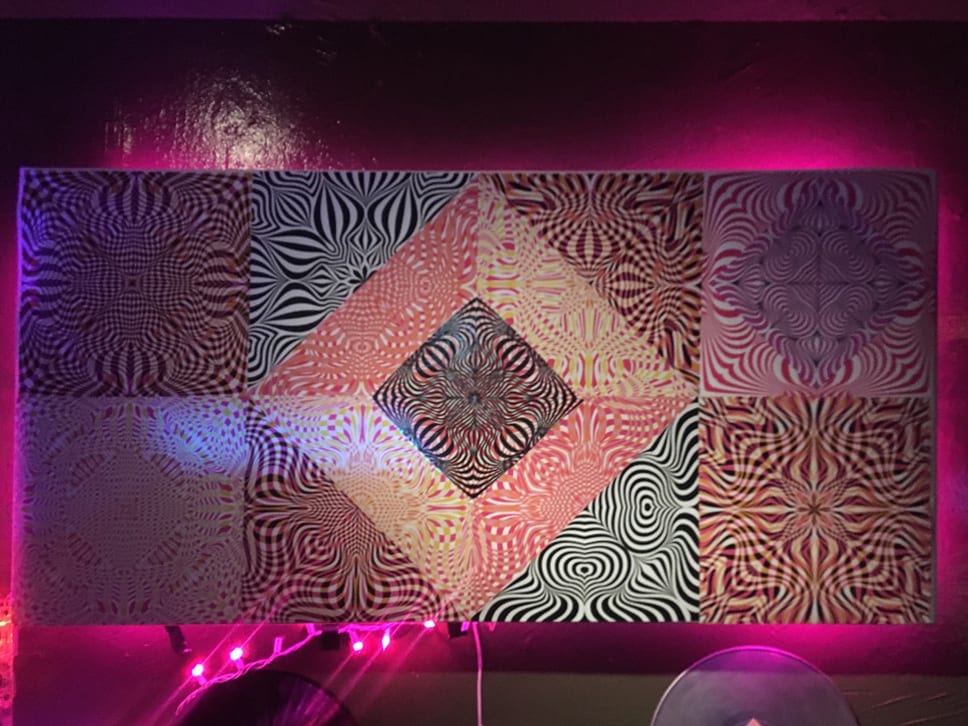
Artificial Consciousness originated from Robert Heinlein's The Moon Is a Harsh Mistress, a novel in which a computer network gradually develops self-awareness. Rather than depicting a conscious machine directly, the project explores the conditions under which consciousness—or the appearance of consciousness—might emerge.
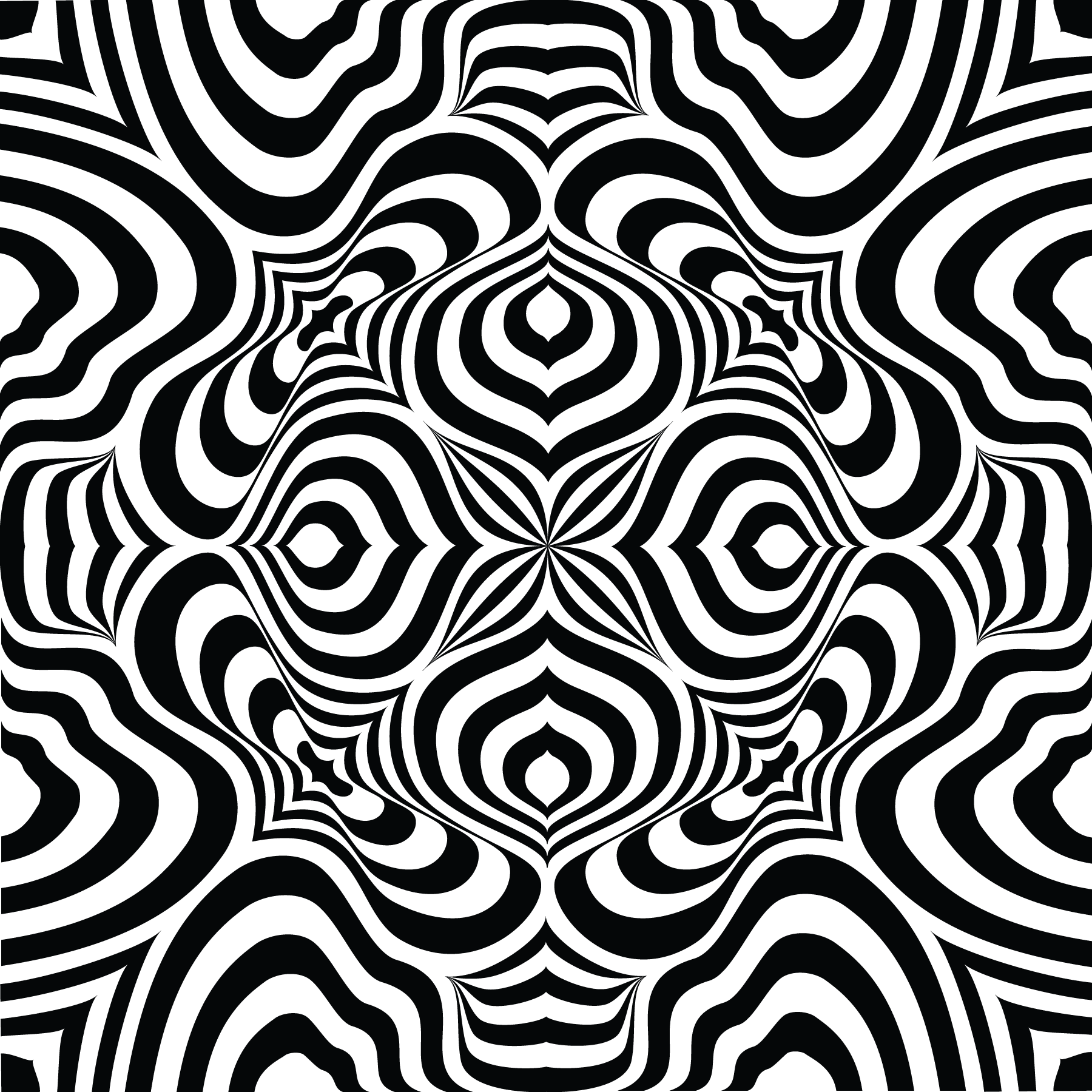
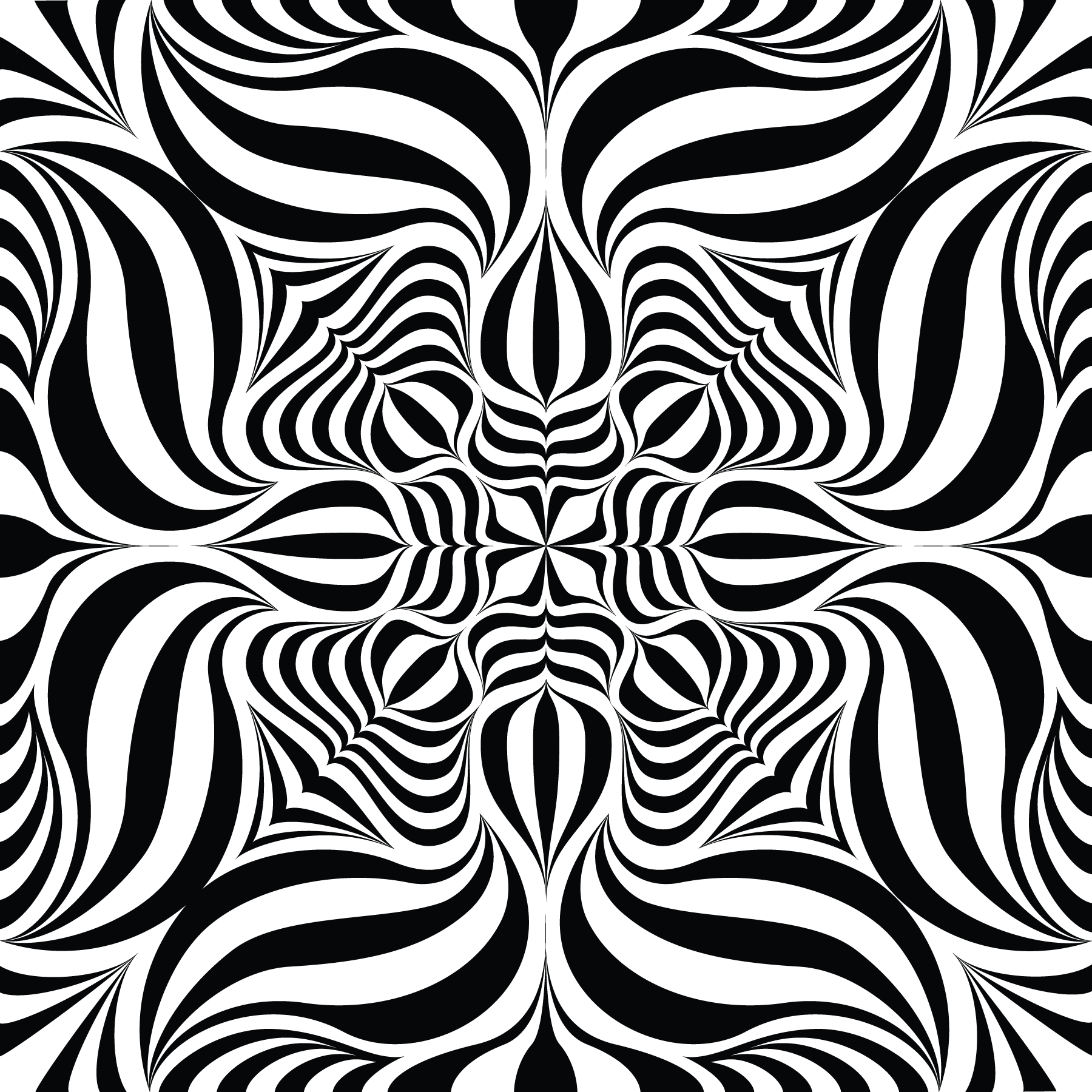
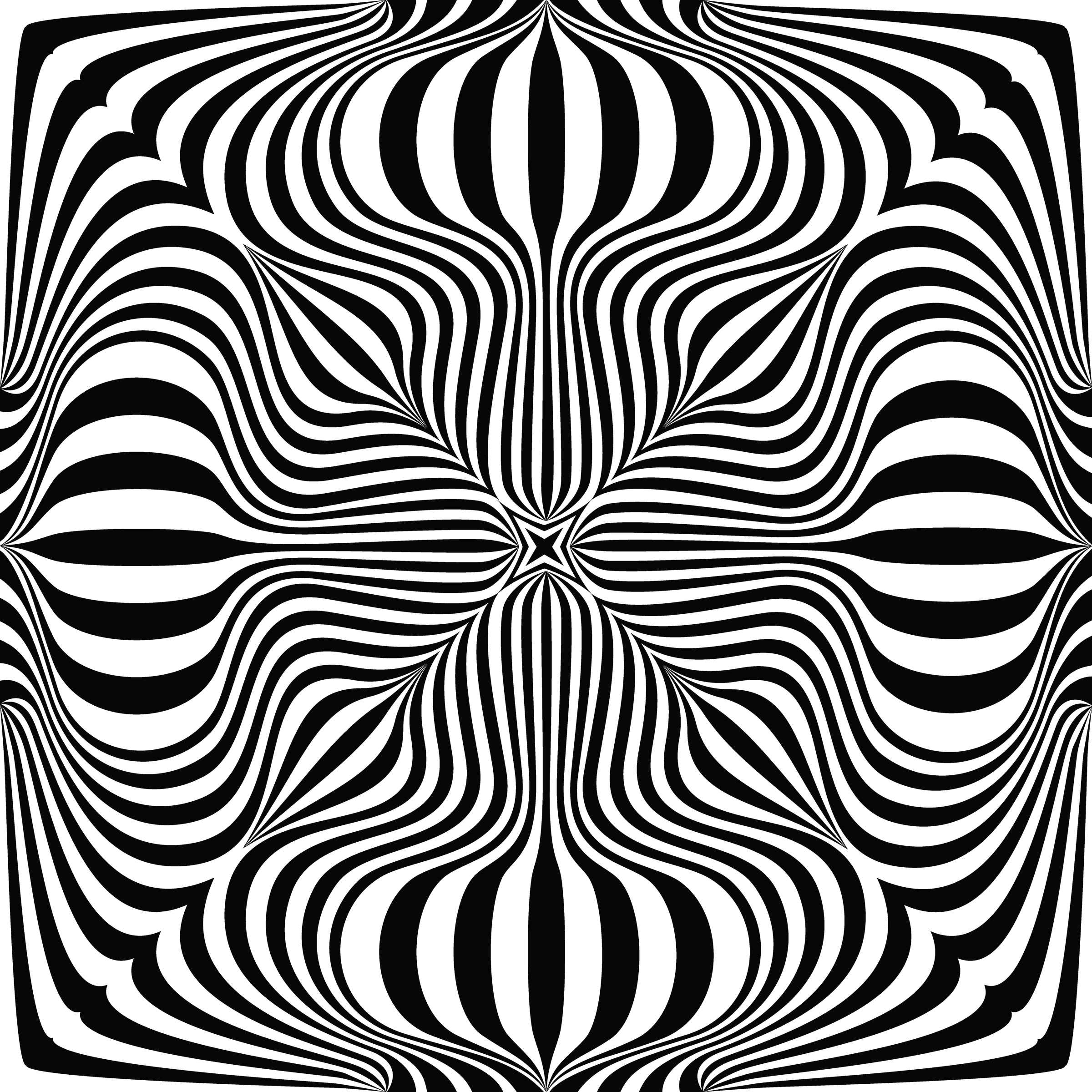
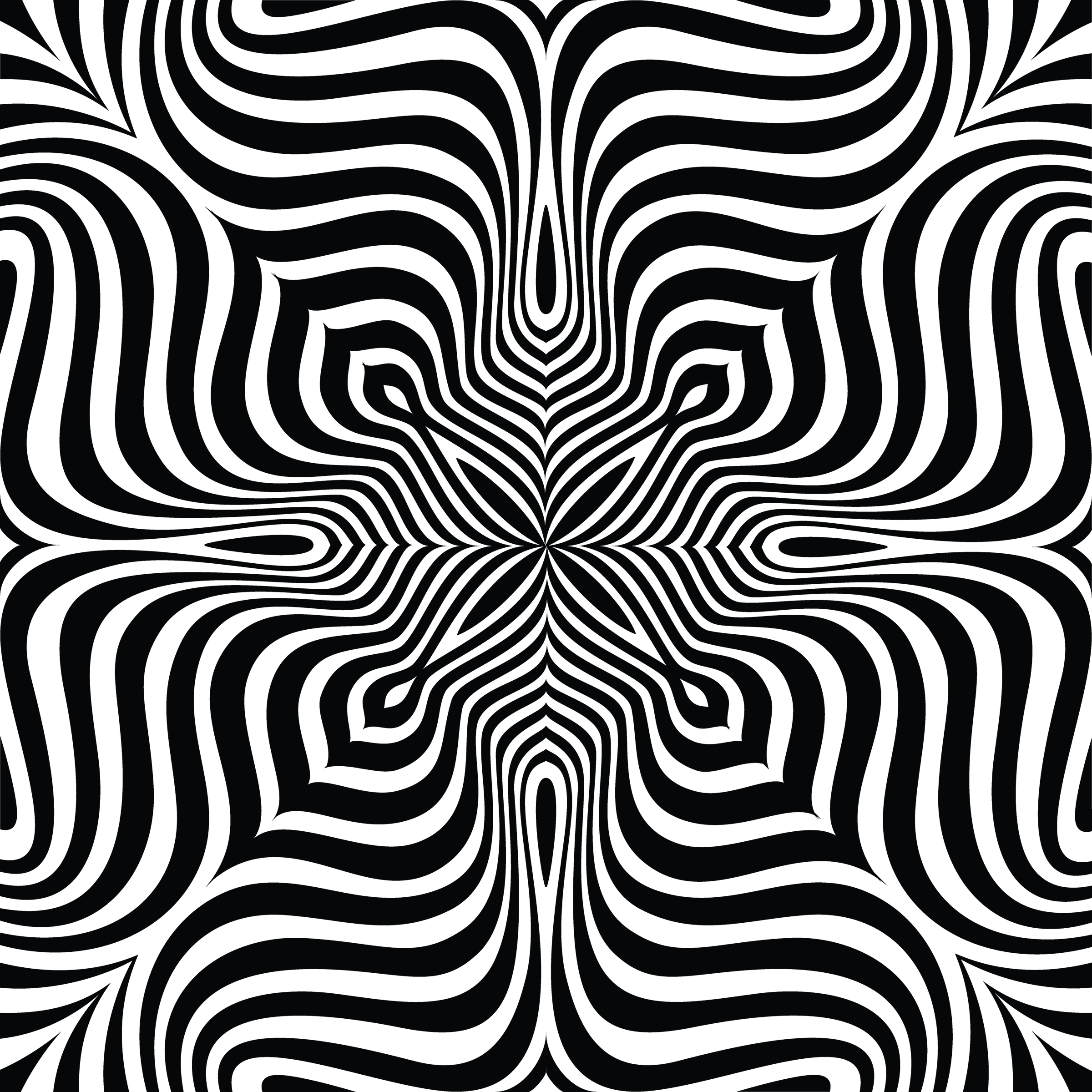
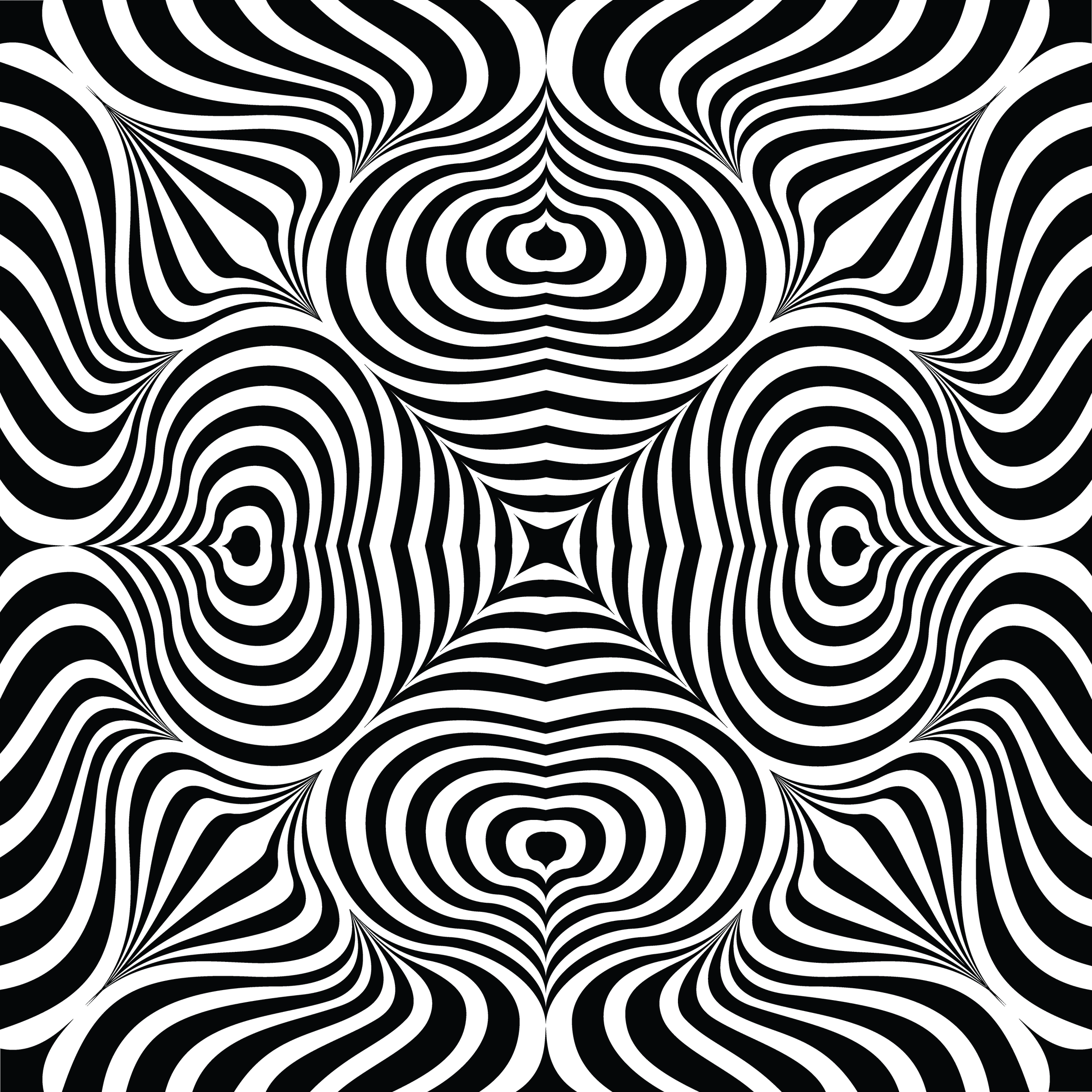
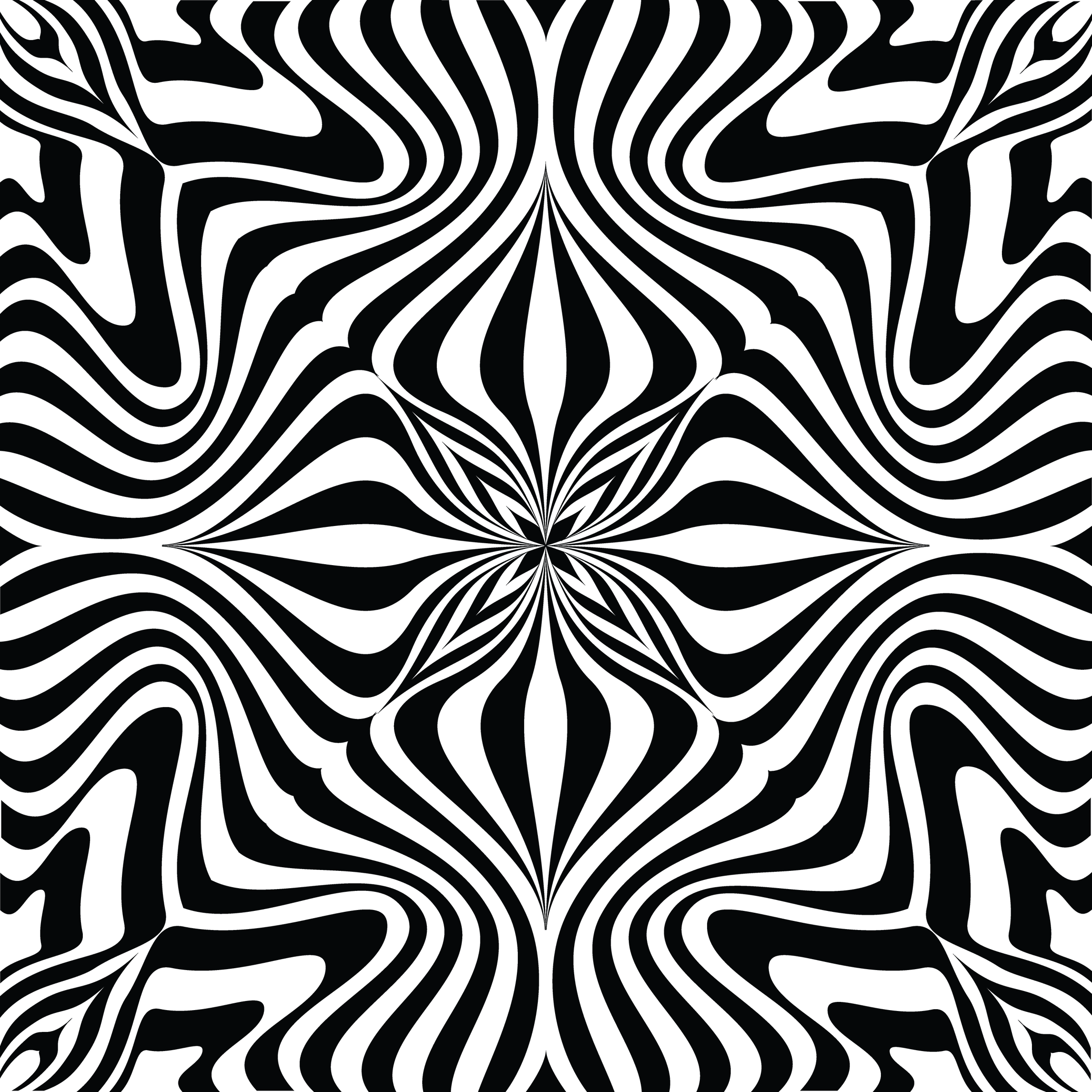
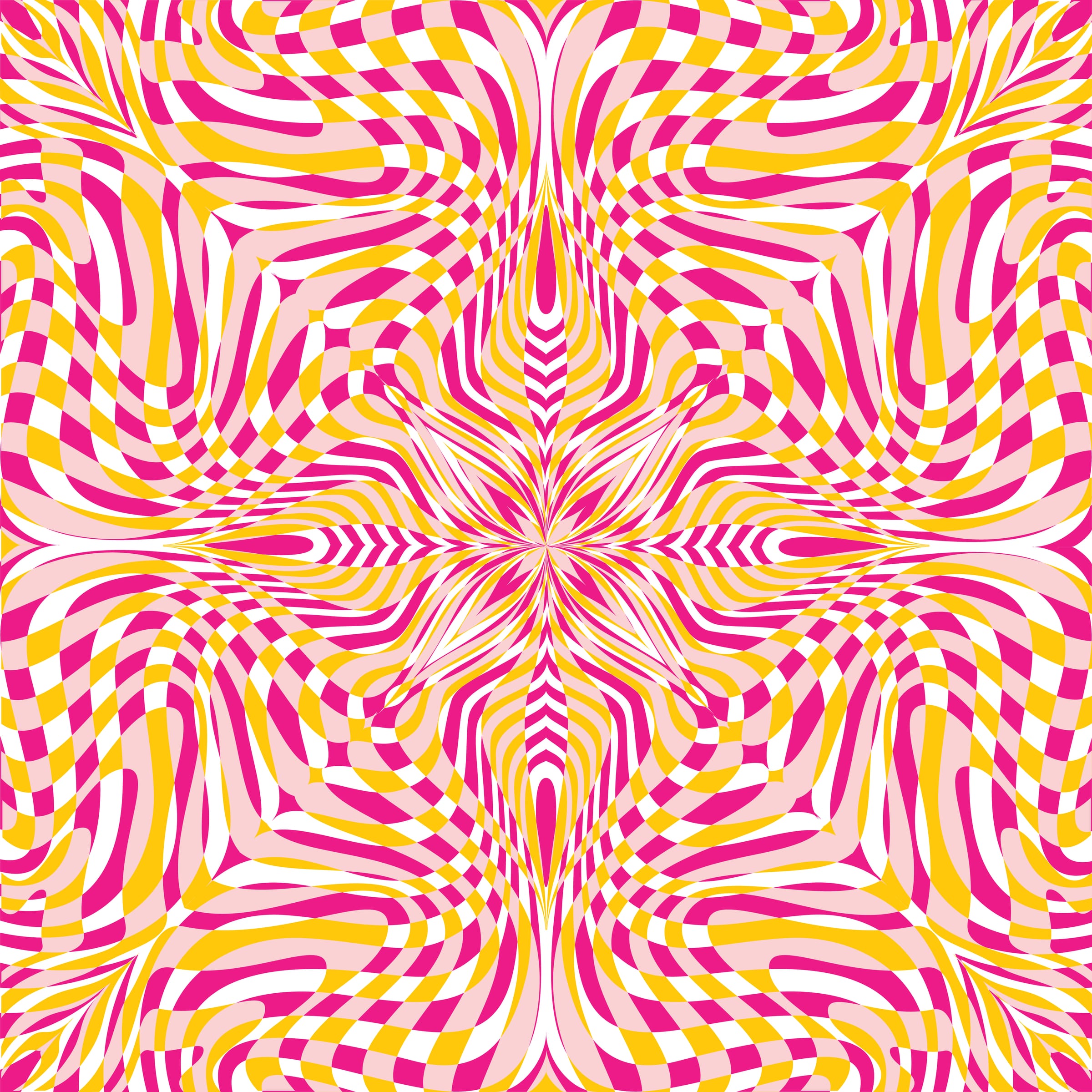
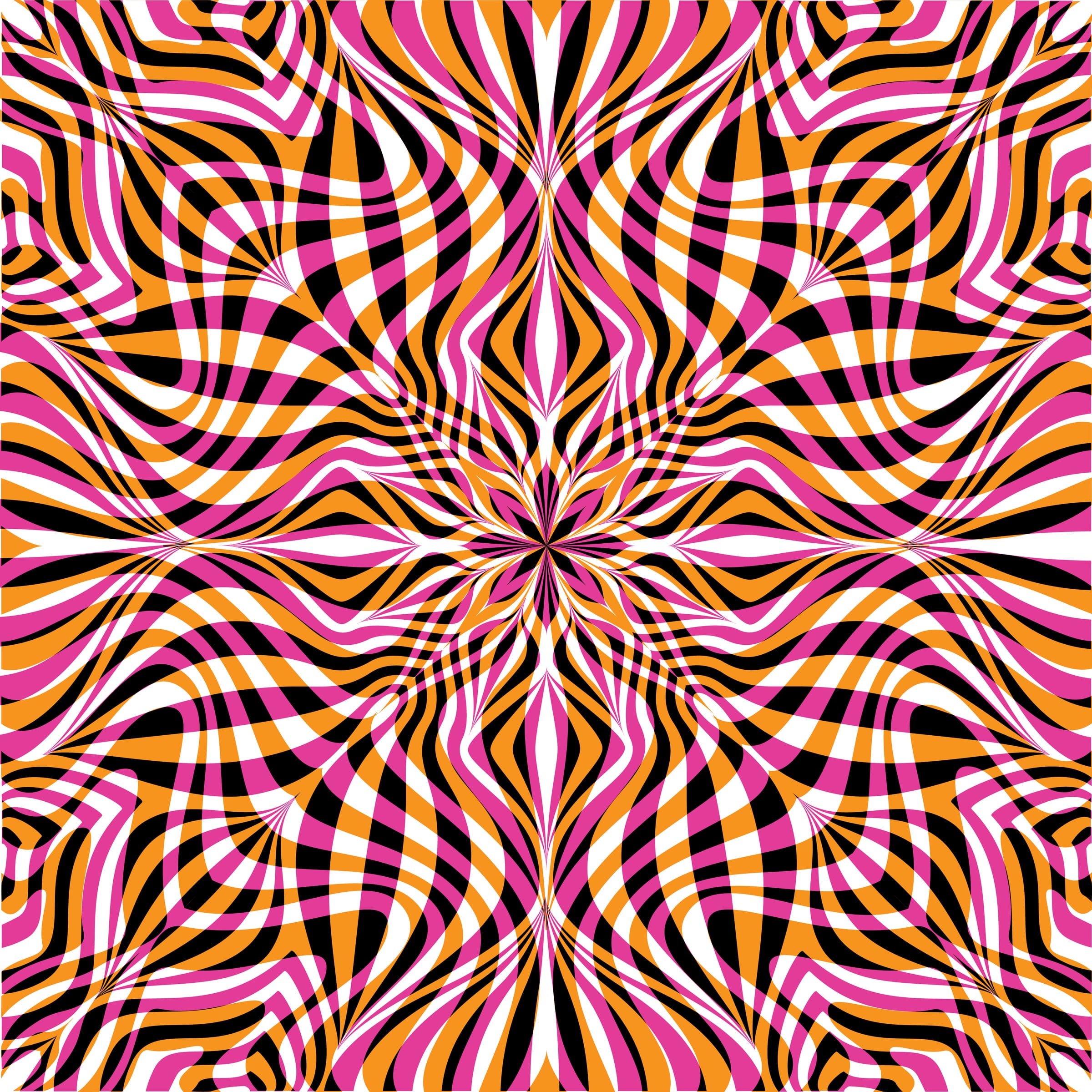
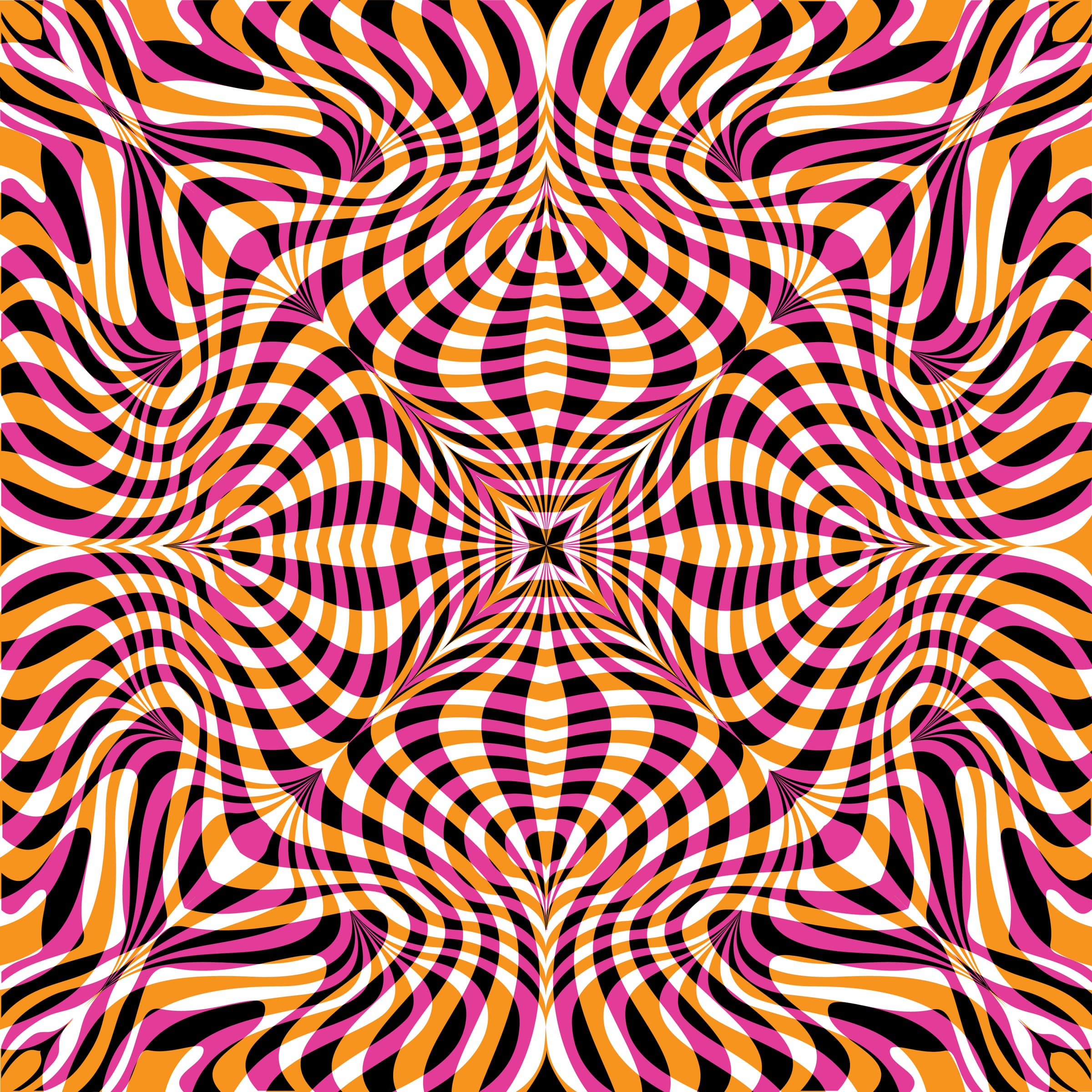
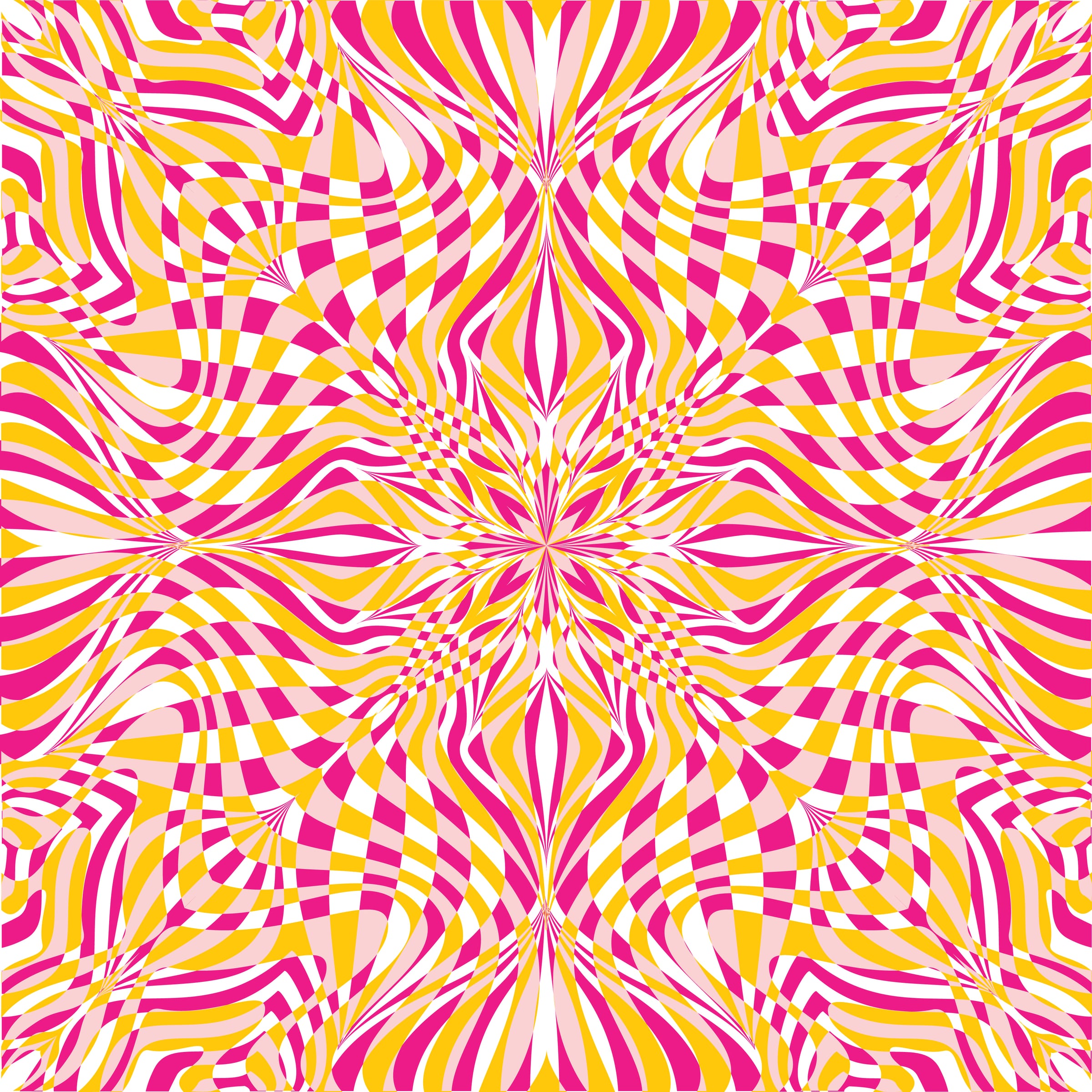
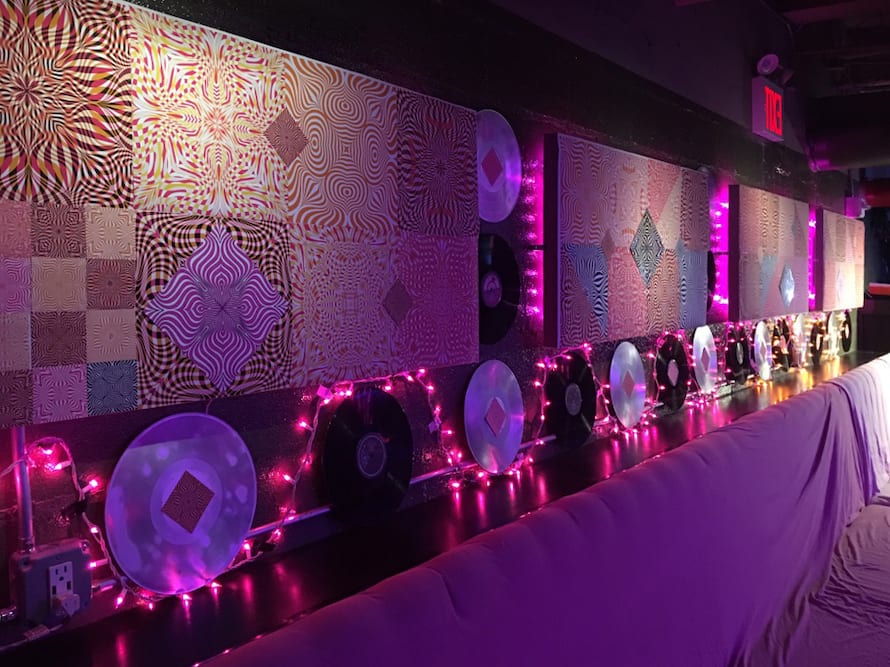
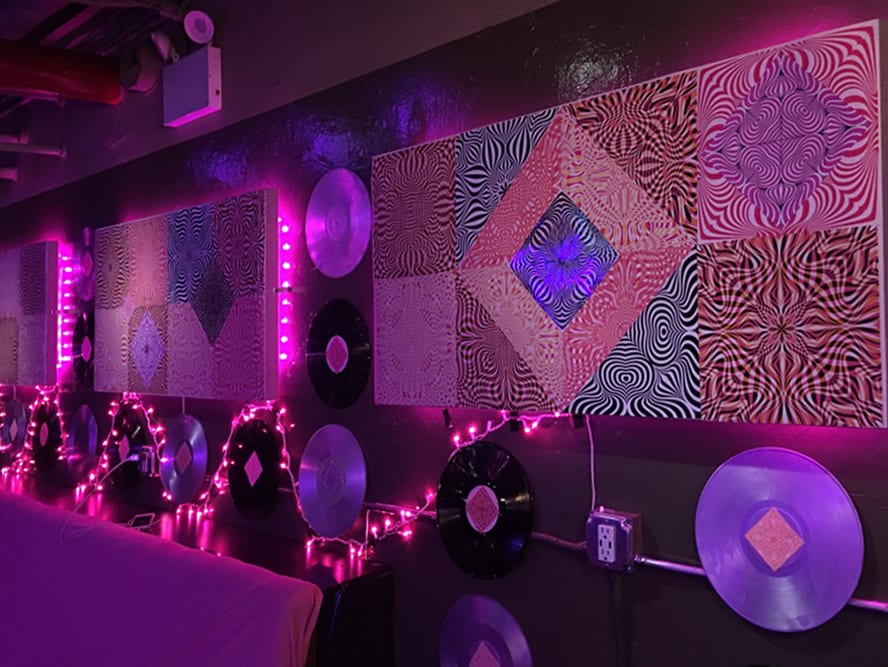
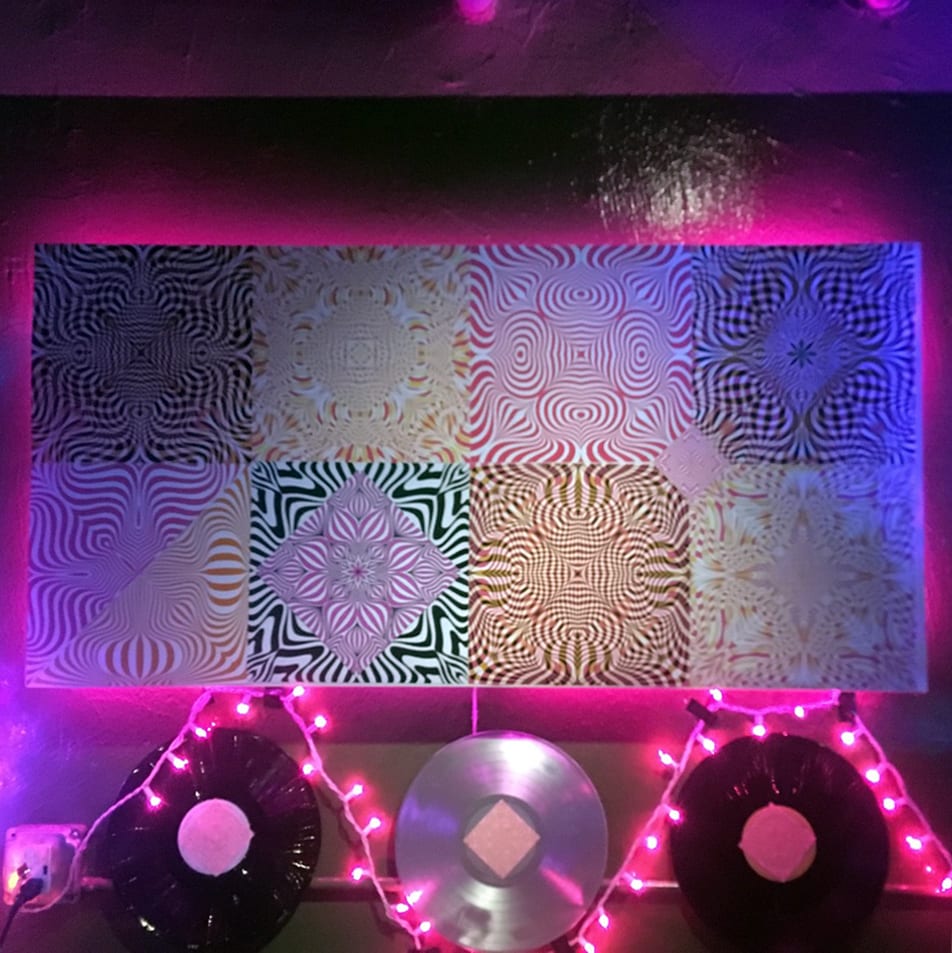
The work is constructed from a simple visual circuit that is repeated, layered, and interconnected across multiple scales. Through accumulation, the original unit becomes increasingly difficult to identify. What begins as an intelligible pattern gradually transforms into a dense visual field whose overall character cannot be understood by examining any single component. The whole becomes something qualitatively different from the sum of its parts.
This process mirrors broader questions surrounding emergence, systems theory, and artificial consciousness. How do complex forms arise from simple rules? At what point does a network cease to be a collection of individual elements and become a distinct entity? The project approaches these questions visually rather than computationally, using pattern, density, and scale to investigate the threshold at which structure appears to acquire autonomy.
While inspired by artificial intelligence, the work ultimately extends beyond technology. It reflects an ongoing interest in the ways consciousness, communities, ecosystems, and social systems emerge through relationships rather than isolated components. The resulting images function as speculative maps of becoming—visual environments where the boundary between part and whole begins to dissolve.
"When Mike was installed in Luna, he was pure thinkum, a flexible logic — 'High-Optional, Logical, Multi-Evaluating Supervisor, Mark IV, Mod. L' — a HOLMES FOUR. He computed ballistics for pilotless freighters and controlled their catapult. This kept him busy less than one percent of time and Luna Authority never believed in idle hands. They kept hooking hardware into him — decision-action boxes to let him boss other computers, bank on bank of additional memories, more banks of associational neural nets, another tubful of twelve-digit random numbers, a greatly augmented temporary memory. Human brain has around ten-to-the-tenth neurons. By third year Mike had better than one and a half times that number of neuristors."
"And woke up."
"Am not going to argue whether a machine can 'really' be alive, 'really' be self-aware. Is a virus self-aware? Nyet. How about oyster? I doubt it. A cat? Almost certainly. A human? Don't know about you, tovarishch, but I am. Somewhere along evolutionary chain from macromolecule to human brain self-awareness crept in. Psychologists assert it happens automatically whenever a brain acquires certain very high number of associational paths. Can't see it matters whether paths are protein or platinum."
— Robert H. Heinlein, The Moon is a Harsh Mistress (1966)